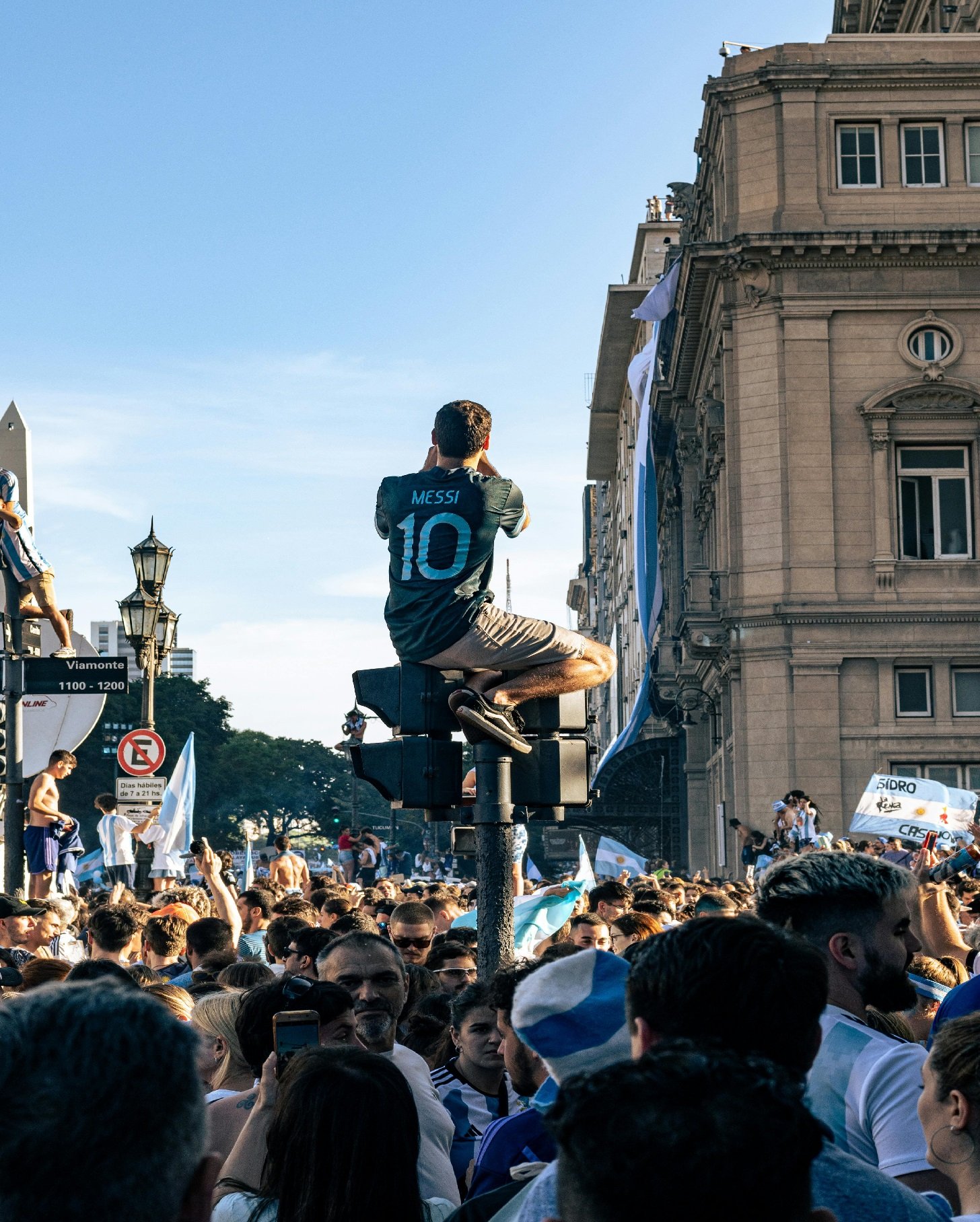
Buenos Aires, the vibrant capital city of Argentina, has a rich history of political life and protests, with one of the most iconic locations being the Plaza de Mayo. This historic square has been the stage for numerous demonstrations, rallies, and iconic moments in Argentina's history.
Category : Political Life and Protests in Buenos Aires | Sub Category : Plaza de Mayo Protests History Posted on 2024-08-19 21:24:53
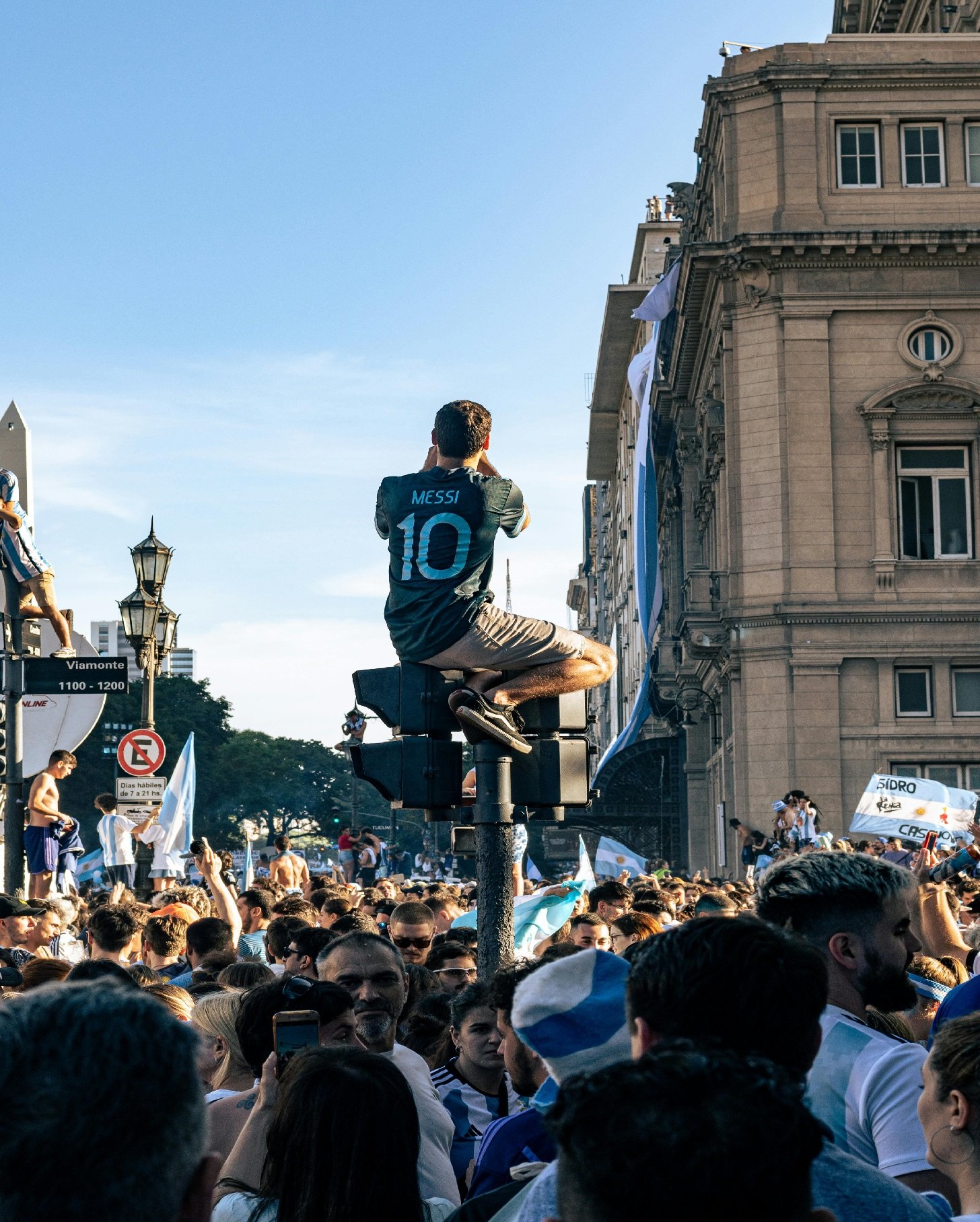
Buenos Aires, the vibrant capital city of Argentina, has a rich history of political life and protests, with one of the most iconic locations being the Plaza de Mayo. This historic square has been the stage for numerous demonstrations, rallies, and iconic moments in Argentina's history.
The Plaza de Mayo has long been a focal point for political activism in Buenos Aires, dating back to the country's struggles for independence in the early 19th century. Named after the May Revolution of 1810, which marked the start of Argentina's quest for independence from Spain, the plaza has been witness to significant events that have shaped the nation's political landscape.
One of the most enduring symbols of protest in the Plaza de Mayo is the Madres de Plaza de Mayo (Mothers of the Plaza de Mayo). Formed during the military dictatorship in the 1970s and 1980s, these brave women gathered in the square every Thursday wearing white headscarves to demand justice for their disappeared children. Their peaceful but powerful demonstrations captured the world's attention and brought international awareness to the human rights abuses committed by the regime.
In more recent times, the Plaza de Mayo has continued to be a place where Argentinians come together to voice their concerns and advocate for social and political change. Whether it's demanding justice for victims of government corruption, calling for improved workers' rights, or protesting environmental issues, the plaza remains a symbolic space for civic engagement and activism.
The history of protests in Buenos Aires and the Plaza de Mayo serves as a reminder of the importance of civic participation in a democratic society. By coming together in public spaces like the plaza, citizens can peacefully express their grievances, hold their leaders accountable, and push for a more just and equitable society.
In conclusion, the Plaza de Mayo protests in Buenos Aires have played a vital role in shaping Argentina's political history and highlighting the power of citizens to effect change through peaceful activism. This iconic square continues to be a symbol of resilience, strength, and democratic values for the people of Argentina and beyond.
Leave a Comment:
SEARCH
Recent News
- Moving to Buenos Aires as an expat can be an exciting and enriching experience. However, before making the big move, it is essential to understand the cost of living in this vibrant city. Buenos Aires is known for its rich culture, beautiful architecture, and delicious cuisine, but how much will it cost to live there as an expat? Let's break down the cost of living in Buenos Aires for expats and foreigners.
- Buenos Aires, the vibrant capital city of Argentina, has long been a popular destination for expats and foreigners looking to experience the unique culture, history, and lifestyle that this South American gem has to offer. Apart from its beautiful architecture, rich history, and vibrant arts scene, Buenos Aires is also known for its welcoming expat communities that cater to people from all around the world.
- Moving to a new country can be an exciting adventure, especially if you are considering Buenos Aires, Argentina, as your new home. As an expat or foreigner looking to relocate to Buenos Aires, navigating the residency and visa requirements may seem daunting at first. This guide aims to provide you with valuable information on the essential steps to take to secure residency and visas in Argentina's vibrant capital city.
- Moving to Buenos Aires can be an exciting and life-changing experience for expats and foreigners. Known for its vibrant culture, rich history, and passionate people, the capital of Argentina offers a unique blend of European elegance and Latin American flair. Whether you are considering relocating to Buenos Aires for work, study, or simply seeking a new adventure, this guide will help you navigate the ins and outs of moving to this dynamic city.
- Buenos Aires is a vibrant city that never fails to surprise with its bustling local news and daily life events. Today, the streets of the Argentine capital are alive with a plethora of exciting activities that cater to diverse tastes and interests.
- Buenos Aires is a vibrant city that never fails to captivate with its rich culture, diverse neighborhoods, and bustling energy. As a resident or a visitor, staying informed about public service updates is crucial for navigating daily life in the Argentine capital. From transportation to healthcare, here's a roundup of the latest news and developments in Buenos Aires' public services:
- In a vibrant and bustling city like Buenos Aires, staying informed about the local weather is essential for residents and visitors alike. The unpredictable weather patterns in the Argentine capital can range from scorching heat to sudden downpours, making it crucial to stay updated on weather alerts.
- Buenos Aires, the vibrant capital of Argentina, is a city that never fails to captivate its residents and visitors with its unique blend of rich culture, history, and bustling urban lifestyle. In the heart of this cosmopolitan metropolis lies a tapestry of diverse neighborhoods, each with its own character and charm, contributing to the dynamic fabric of the city. Let's take a closer look at the latest news and daily life in some of these distinctive Buenos Aires neighborhoods.
READ MORE
2 years ago Category : Buenos Aires for Expats and Foreigners
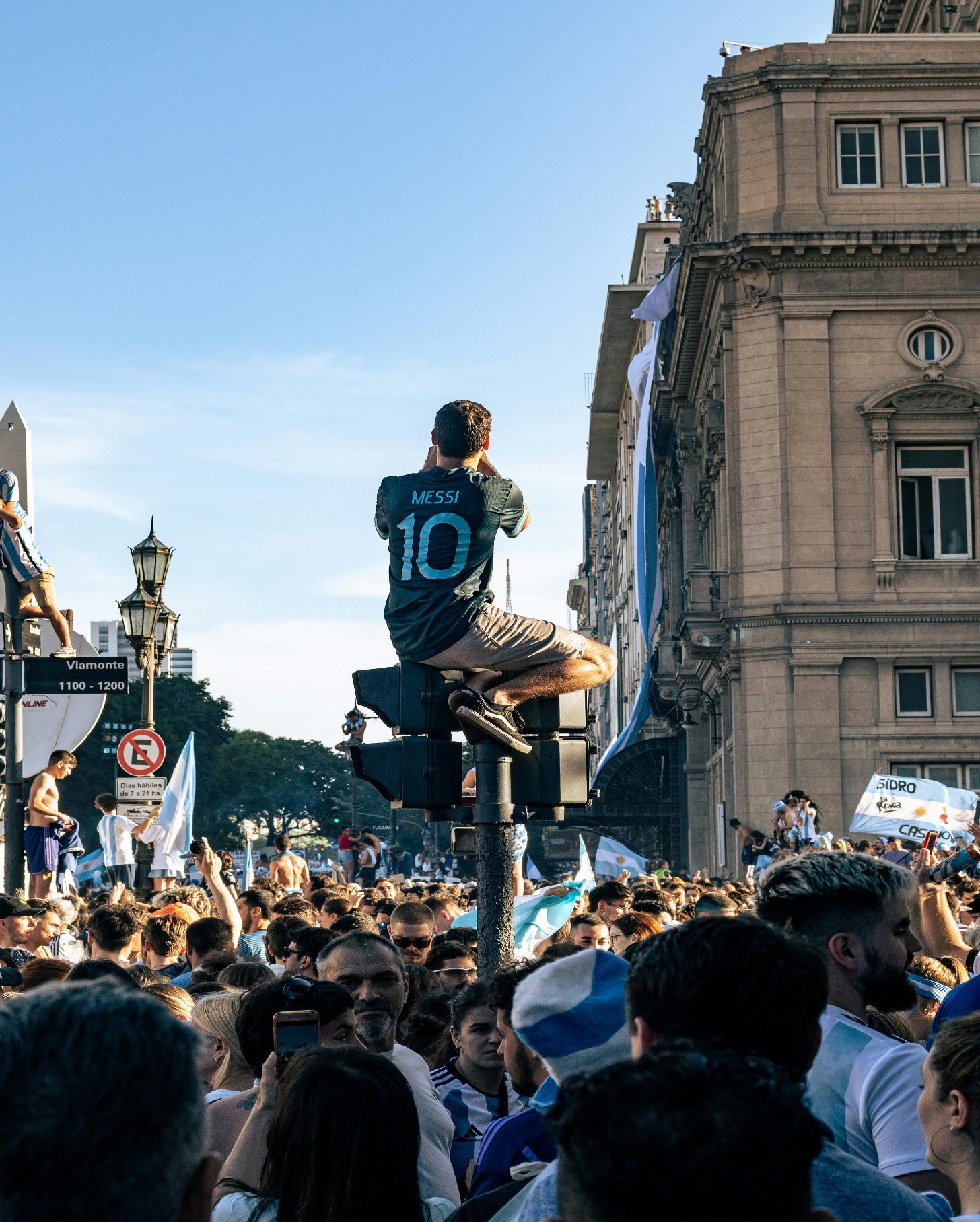
Moving to Buenos Aires as an expat can be an exciting and enriching experience. However, before making the big move, it is essential to understand the cost of living in this vibrant city. Buenos Aires is known for its rich culture, beautiful architecture, and delicious cuisine, but how much will it cost to live there as an expat? Let's break down the cost of living in Buenos Aires for expats and foreigners.
Read More →2 years ago Category : Buenos Aires for Expats and Foreigners
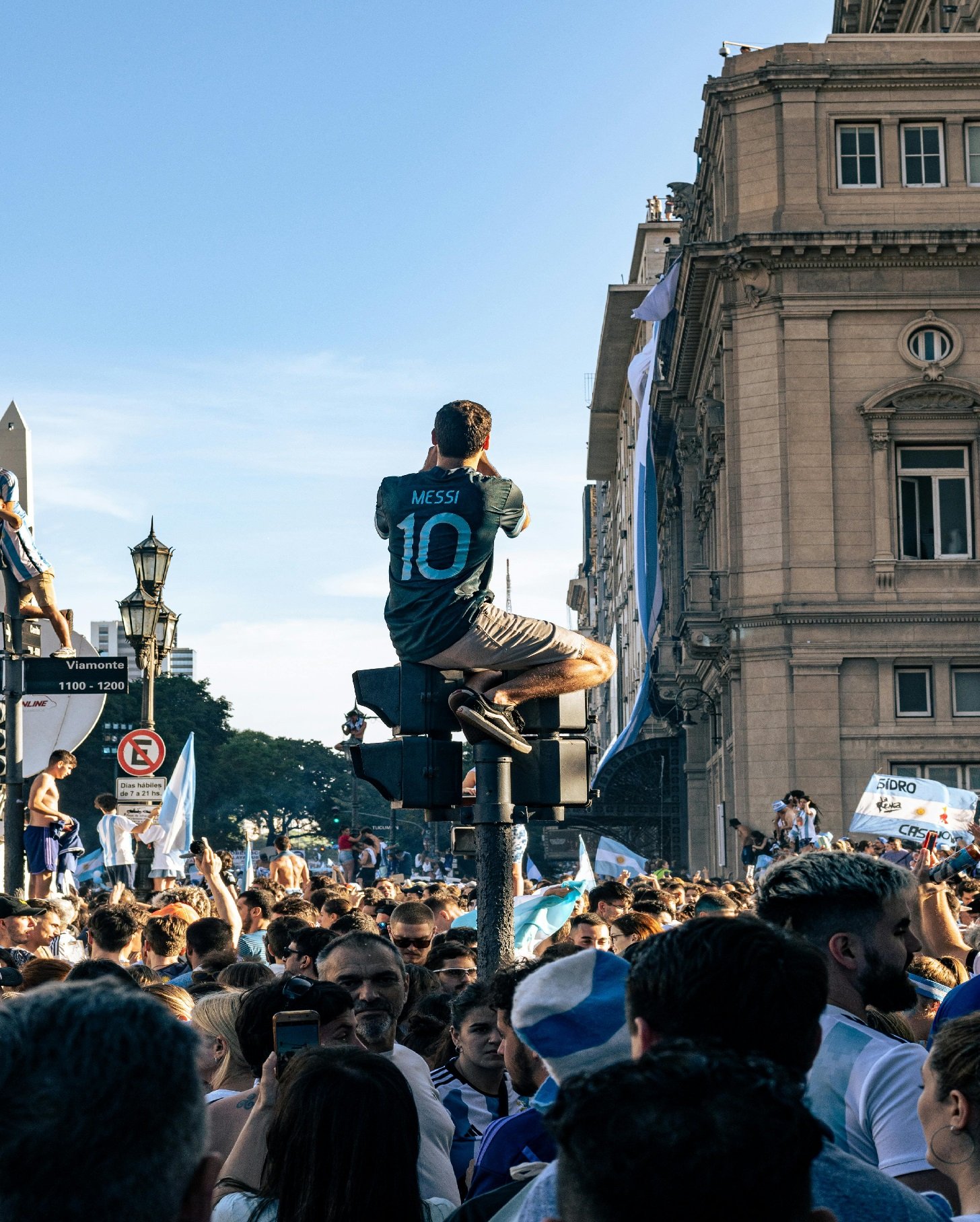
Buenos Aires, the vibrant capital city of Argentina, has long been a popular destination for expats and foreigners looking to experience the unique culture, history, and lifestyle that this South American gem has to offer. Apart from its beautiful architecture, rich history, and vibrant arts scene, Buenos Aires is also known for its welcoming expat communities that cater to people from all around the world.
Read More →2 years ago Category : Buenos Aires for Expats and Foreigners
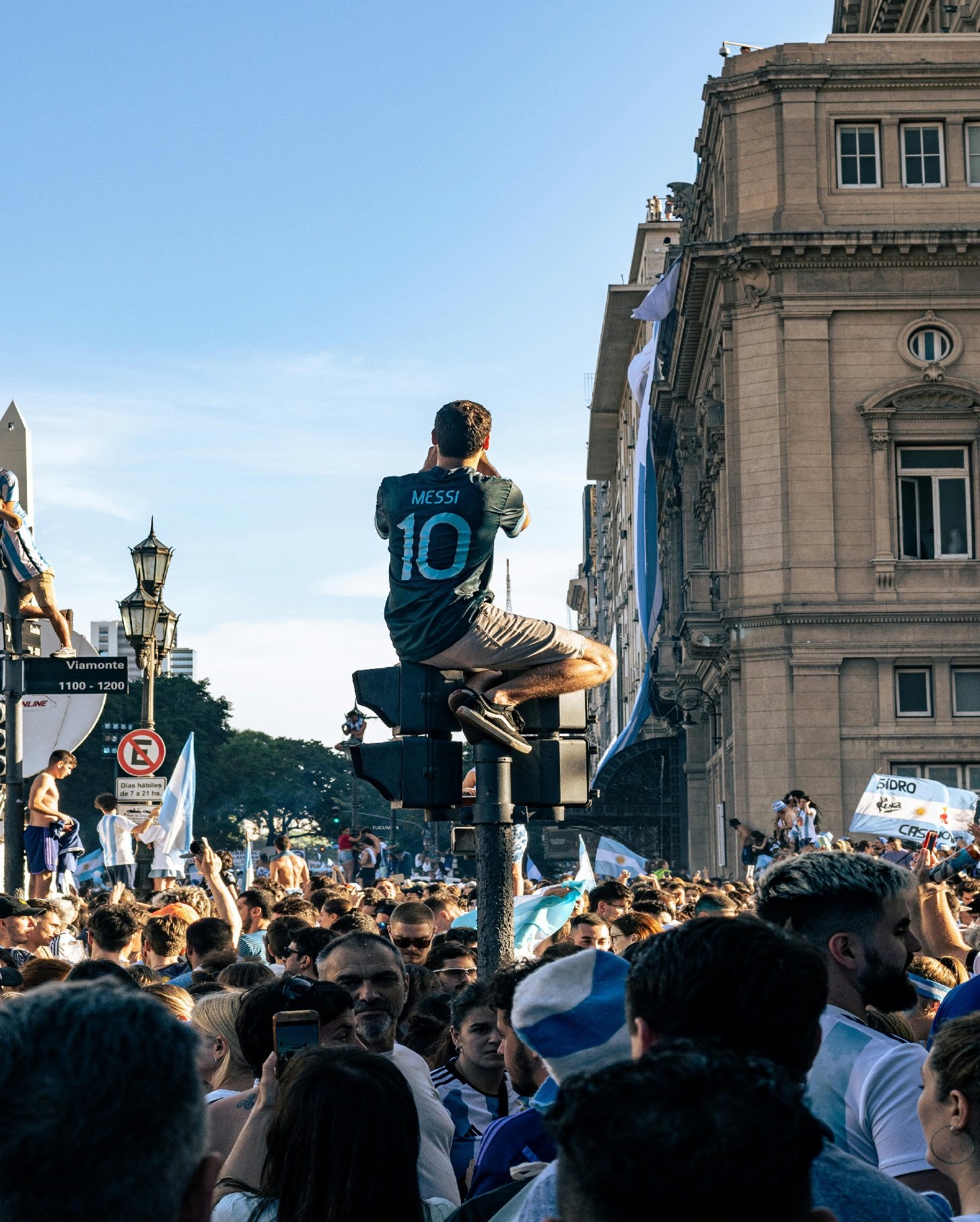
Moving to a new country can be an exciting adventure, especially if you are considering Buenos Aires, Argentina, as your new home. As an expat or foreigner looking to relocate to Buenos Aires, navigating the residency and visa requirements may seem daunting at first. This guide aims to provide you with valuable information on the essential steps to take to secure residency and visas in Argentina's vibrant capital city.
Read More →2 years ago Category : Buenos Aires for Expats and Foreigners